Haryshake Anbalagan - Nov. 16, 2025
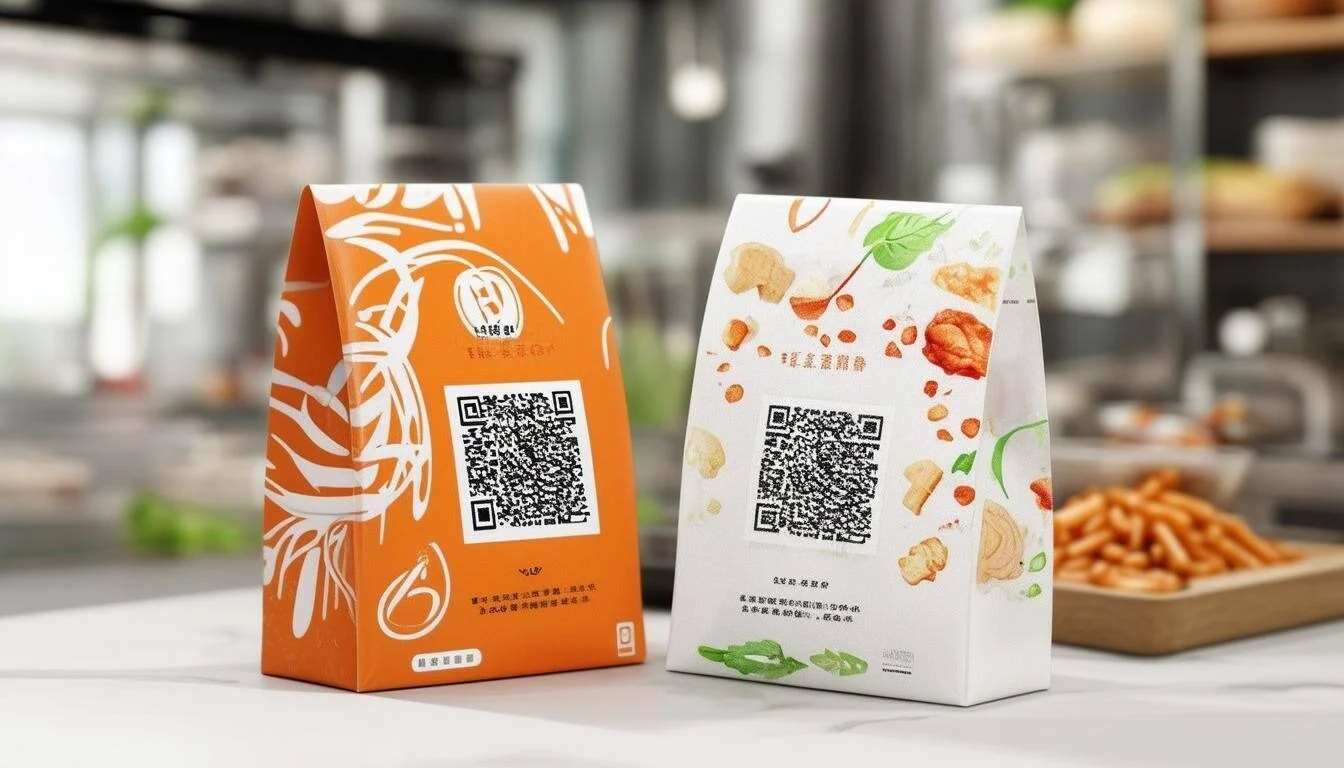
What if Packaging could speak, teach, and interact with every person no matter of their age, ability, or language? For millions of people with visual, auditory, or motor impairments, traditional packaging can be frustratingly inaccessible. From unclear instructions to hard open designs, conventional packaging often exudes those with diverse needs. Enter smart packaging a new generation of digitally enabled designs that use technologies like NFC (Near Field Communication), Qr codes, and senors to deliver inclusive information and interactive experiences. Beyond convince, this innovation represents a powerful move toward true accessibility in consumer products.
Accessibility and Inclusivity in smart packaging are more than design trends they reflect a broader social and technological movement toward equality. By combining digital innovation with human centered design, brand can empower millions of consumer, improve usability, and demonstrate authentic corporate responsibility. As technology continues to advance, features such as voice activated packaging, dynamic AR guidance, and real time translation are poised to become standard in product design. Just as sustainability has become and industry expectation, inclusivity represents the next frontier where packaging communicates not only with the market, but with everyone it serves.

- Clarkston Consulting. (2025, September 12). Innovations in Accessible Packaging for Diverse Consumer Needs. Retrieved from https://clarkstonconsulting.com/insights/innovations-in-accessible-packaging/ Clarkston Consulting
- Designing Packaging for Everyone: How Inclusivity is Shaping the Industry. (2025, April 21). Retrieved from https://www.packnode.org/en/innovation/designing-packaging-for-everyone-inclusivity-industry PACKNODE
- Level Access. (n.d.). European Accessibility Act 2025 | Key Steps for Compliance. Retrieved from https://www.levelaccess.com/compliance-overview/european-accessibility-act-eaa/ Level Access
- Microsoft Inclusive Design. (n.d.). Creating Accessible Packaging: An Inclusive Design Guide. Retrieved from https://inclusive.microsoft.design/tools-and-activities/CreatingAccessiblePackaging.pdf Microsoft Inclusive Design
- P&G. (2023, March 7). Four P&G Brands Raise the Bar with Accessible and Sustainable Packaging. Retrieved from https://us.pg.com/blogs/four-pg-brands-raise-the-bar-with-accessible-and-sustainable-packaging/ Procter & Gamble
- Procter & Gamble. (2025, April 15). P&G Brands Recognized for Packaging That’s Accessible and Sustainable. Retrieved from https://us.pg.com/blogs/accessible-and-sustainable-packaging/ Procter & Gamble
- Trade – European Commission. (n.d.). Labelling and Packaging – Requirements for the EU Market. Retrieved from https://trade.ec.europa.eu/access-to-markets/en/content/labelling-and-packaging EU Trade
- Usercentrics. (n.d.). The European Accessibility Act (EAA): An Overview. Retrieved from https://usercentrics.com/knowledge-hub/european-accessibility-act-eaa/ Usercentrics
- World Economic Forum. (2024, November 11). Why should businesses design goods for better accessibility? Retrieved from https://www.weforum.org/stories/2024/11/inclusive-accessible-product-design-disabilities/ World Economic Forum

- Enhanced Accessibility and Independence
Smart packaging empowers people with disabilities to engage with products independently. Technologies such as QR codes and NFc tags can active audio features that read out ingredients, dosage details, or usage instructions. Procter & Gamble (P&G) has embraced this approach through its "Accessible by Design" initiative offering products like Herbal Essences and Olay bottles with tactile marks and audio instructions accessible via the NaviLens app. This Advancement enhances autonomy and confidence for consumers who are visually impaired, making everyday product use more inclusive.
- Stronger Brand inclusivity and Social Responsibility
Incorporating accessibility demonstrates a brand’s genuine commitment to diversity and inclusion. It also builds loyalty among consumers who been overlooked. According to a 2023 study by the World Packaging Organisation (WPO), nearly 15% of the global population lives some form of disability, yet fewer that 5% of product packages worldwide account for accessibility. By addressing this gap, companies can unlock new markets and strengthen their reputation as socially responsible industry leaders.
- Improved Communication and Engagement
Smart Packaging Transforms how brands connect with consumers. Using augmented reality (AR) or linked Web content, it can present detailed instructions, product origin stories, or sustainability information in various formats such as text, audio, or video. For example, Coca Cola’s, “Share a Coke” AR campaign integrated accessibility features by including text to speech capabilities in its app, enabling users with visual impairments to fully engage in the experience.
- Compliance and Market Expansion
Global regulations and sustainability standards are steadily pushing the industry toward accessible design. IN the European Union, the European Accessibility Act (EAA) require consumer product packaging to meet accessibility standard starting in 2025. By incorporating inclusive design from the outset, companies ensure compliance while future proofing their operations. This approach also opens pathways into markets where inclusivity is not only a legal obligation but an ethical expectation.

Accessible smart Packaging integrates traditional design with digital features that make products easier for everyone to use. These innovations can include voice guided instructions, tactile cues, smart labels that read ingredients through mobile apps, or even packaging that connects directly with assistive tools such as screen readers. By scanning the package with smartphone camera or an NFC reader, consumers can instantly access verbal guidance, translations, allergen information, or recycling tips tailored to their needs. These smart interactions can adapt to each user weather they are blind, have limited literacy, or speak a different language. The Objective isn't just to add technology, but to embed accessibility into design process from the very beginning, ensuring that every steps of the consumer experience is inclusive.


Unilever
Unilever’s Inclusive Design Initiative centers on developing packaging that is accessible to everyone through a blend of digital labeling and ergonomic design. Its deodorant prototype, Degree inclusive, features a magnetic cap, Braille instructions, and ana easy grip shape to support users with limited hand mobility demonstrating that accessibility can coexist seamlessly with style and functionality.
Procter & Gamble (P&G)
P&G is at the forefront of the accessibility movement through its partnership with Navilens, a high contrast QR code technology that can be scanned from a distance without precise camera alignment. Featured on Herbal Essence shampoo bottles, its delivers instant audio descriptions in multiple languages. This innovation has now reached global markets, establishing a new benchmark for inclusivity in mass market consumer products.
Kellogg’s
Kellogg’s has emerged as a leader in inclusive packaging through its collaboration with NaviLens and the Royal National institute of Blind People (RNIB). The company introduced smart cereal boxes featuring NavilLens codes that enable visually impaired customers to use their smartphones to access audio descriptions of ingredients , allergens, and recycling details. First Launched with Coco Pops in 2022, the initiative has since expanded across other Kellogg’s brands establishing a new benchmark for accessible and inclusive packaging in the food industry.





Haryshake Anbalagan - Nov. 16, 2025

Back to Blog List
What if Packaging could speak, teach, and interact with every person no matter of their age, ability, or language? For millions of people with visual, auditory, or motor impairments, traditional packaging can be frustratingly inaccessible. From unclear instructions to hard open designs, conventional packaging often exudes those with diverse needs. Enter smart packaging a new generation of digitally enabled designs that use technologies like NFC (Near Field Communication), Qr codes, and senors to deliver inclusive information and interactive experiences. Beyond convince, this innovation represents a powerful move toward true accessibility in consumer products.
Accessibility and Inclusivity in smart packaging are more than design trends they reflect a broader social and technological movement toward equality. By combining digital innovation with human centered design, brand can empower millions of consumer, improve usability, and demonstrate authentic corporate responsibility. As technology continues to advance, features such as voice activated packaging, dynamic AR guidance, and real time translation are poised to become standard in product design. Just as sustainability has become and industry expectation, inclusivity represents the next frontier where packaging communicates not only with the market, but with everyone it serves.

- Clarkston Consulting. (2025, September 12). Innovations in Accessible Packaging for Diverse Consumer Needs. Retrieved from https://clarkstonconsulting.com/insights/innovations-in-accessible-packaging/ Clarkston Consulting
- Designing Packaging for Everyone: How Inclusivity is Shaping the Industry. (2025, April 21). Retrieved from https://www.packnode.org/en/innovation/designing-packaging-for-everyone-inclusivity-industry PACKNODE
- Level Access. (n.d.). European Accessibility Act 2025 | Key Steps for Compliance. Retrieved from https://www.levelaccess.com/compliance-overview/european-accessibility-act-eaa/ Level Access
- Microsoft Inclusive Design. (n.d.). Creating Accessible Packaging: An Inclusive Design Guide. Retrieved from https://inclusive.microsoft.design/tools-and-activities/CreatingAccessiblePackaging.pdf Microsoft Inclusive Design
- P&G. (2023, March 7). Four P&G Brands Raise the Bar with Accessible and Sustainable Packaging. Retrieved from https://us.pg.com/blogs/four-pg-brands-raise-the-bar-with-accessible-and-sustainable-packaging/ Procter & Gamble
- Procter & Gamble. (2025, April 15). P&G Brands Recognized for Packaging That’s Accessible and Sustainable. Retrieved from https://us.pg.com/blogs/accessible-and-sustainable-packaging/ Procter & Gamble
- Trade – European Commission. (n.d.). Labelling and Packaging – Requirements for the EU Market. Retrieved from https://trade.ec.europa.eu/access-to-markets/en/content/labelling-and-packaging EU Trade
- Usercentrics. (n.d.). The European Accessibility Act (EAA): An Overview. Retrieved from https://usercentrics.com/knowledge-hub/european-accessibility-act-eaa/ Usercentrics
- World Economic Forum. (2024, November 11). Why should businesses design goods for better accessibility? Retrieved from https://www.weforum.org/stories/2024/11/inclusive-accessible-product-design-disabilities/ World Economic Forum

- Enhanced Accessibility and Independence
Smart packaging empowers people with disabilities to engage with products independently. Technologies such as QR codes and NFc tags can active audio features that read out ingredients, dosage details, or usage instructions. Procter & Gamble (P&G) has embraced this approach through its "Accessible by Design" initiative offering products like Herbal Essences and Olay bottles with tactile marks and audio instructions accessible via the NaviLens app. This Advancement enhances autonomy and confidence for consumers who are visually impaired, making everyday product use more inclusive.
- Stronger Brand inclusivity and Social Responsibility
Incorporating accessibility demonstrates a brand’s genuine commitment to diversity and inclusion. It also builds loyalty among consumers who been overlooked. According to a 2023 study by the World Packaging Organisation (WPO), nearly 15% of the global population lives some form of disability, yet fewer that 5% of product packages worldwide account for accessibility. By addressing this gap, companies can unlock new markets and strengthen their reputation as socially responsible industry leaders.
- Improved Communication and Engagement
Smart Packaging Transforms how brands connect with consumers. Using augmented reality (AR) or linked Web content, it can present detailed instructions, product origin stories, or sustainability information in various formats such as text, audio, or video. For example, Coca Cola’s, “Share a Coke” AR campaign integrated accessibility features by including text to speech capabilities in its app, enabling users with visual impairments to fully engage in the experience.
- Compliance and Market Expansion
Global regulations and sustainability standards are steadily pushing the industry toward accessible design. IN the European Union, the European Accessibility Act (EAA) require consumer product packaging to meet accessibility standard starting in 2025. By incorporating inclusive design from the outset, companies ensure compliance while future proofing their operations. This approach also opens pathways into markets where inclusivity is not only a legal obligation but an ethical expectation.

Accessible smart Packaging integrates traditional design with digital features that make products easier for everyone to use. These innovations can include voice guided instructions, tactile cues, smart labels that read ingredients through mobile apps, or even packaging that connects directly with assistive tools such as screen readers. By scanning the package with smartphone camera or an NFC reader, consumers can instantly access verbal guidance, translations, allergen information, or recycling tips tailored to their needs. These smart interactions can adapt to each user weather they are blind, have limited literacy, or speak a different language. The Objective isn't just to add technology, but to embed accessibility into design process from the very beginning, ensuring that every steps of the consumer experience is inclusive.


Unilever
Unilever’s Inclusive Design Initiative centers on developing packaging that is accessible to everyone through a blend of digital labeling and ergonomic design. Its deodorant prototype, Degree inclusive, features a magnetic cap, Braille instructions, and ana easy grip shape to support users with limited hand mobility demonstrating that accessibility can coexist seamlessly with style and functionality.
Procter & Gamble (P&G)
P&G is at the forefront of the accessibility movement through its partnership with Navilens, a high contrast QR code technology that can be scanned from a distance without precise camera alignment. Featured on Herbal Essence shampoo bottles, its delivers instant audio descriptions in multiple languages. This innovation has now reached global markets, establishing a new benchmark for inclusivity in mass market consumer products.
Kellogg’s
Kellogg’s has emerged as a leader in inclusive packaging through its collaboration with NaviLens and the Royal National institute of Blind People (RNIB). The company introduced smart cereal boxes featuring NavilLens codes that enable visually impaired customers to use their smartphones to access audio descriptions of ingredients , allergens, and recycling details. First Launched with Coco Pops in 2022, the initiative has since expanded across other Kellogg’s brands establishing a new benchmark for accessible and inclusive packaging in the food industry.



Connective.thecompany@gmail.com
125 Bond St, Toronto, ON M5B 1Y2


Haryshake Anbalagan - Nov. 16, 2025

Back to Blog List
What if Packaging could speak, teach, and interact with every person no matter of their age, ability, or language? For millions of people with visual, auditory, or motor impairments, traditional packaging can be frustratingly inaccessible. From unclear instructions to hard open designs, conventional packaging often exudes those with diverse needs. Enter smart packaging a new generation of digitally enabled designs that use technologies like NFC (Near Field Communication), Qr codes, and senors to deliver inclusive information and interactive experiences. Beyond convince, this innovation represents a powerful move toward true accessibility in consumer products.
Accessibility and Inclusivity in smart packaging are more than design trends they reflect a broader social and technological movement toward equality. By combining digital innovation with human centered design, brand can empower millions of consumer, improve usability, and demonstrate authentic corporate responsibility. As technology continues to advance, features such as voice activated packaging, dynamic AR guidance, and real time translation are poised to become standard in product design. Just as sustainability has become and industry expectation, inclusivity represents the next frontier where packaging communicates not only with the market, but with everyone it serves.
- Clarkston Consulting. (2025, September 12). Innovations in Accessible Packaging for Diverse Consumer Needs. Retrieved from https://clarkstonconsulting.com/insights/innovations-in-accessible-packaging/ Clarkston Consulting
- Designing Packaging for Everyone: How Inclusivity is Shaping the Industry. (2025, April 21). Retrieved from https://www.packnode.org/en/innovation/designing-packaging-for-everyone-inclusivity-industry PACKNODE
- Level Access. (n.d.). European Accessibility Act 2025 | Key Steps for Compliance. Retrieved from https://www.levelaccess.com/compliance-overview/european-accessibility-act-eaa/ Level Access
- Microsoft Inclusive Design. (n.d.). Creating Accessible Packaging: An Inclusive Design Guide. Retrieved from https://inclusive.microsoft.design/tools-and-activities/CreatingAccessiblePackaging.pdf Microsoft Inclusive Design
- P&G. (2023, March 7). Four P&G Brands Raise the Bar with Accessible and Sustainable Packaging. Retrieved from https://us.pg.com/blogs/four-pg-brands-raise-the-bar-with-accessible-and-sustainable-packaging/ Procter & Gamble
- Procter & Gamble. (2025, April 15). P&G Brands Recognized for Packaging That’s Accessible and Sustainable. Retrieved from https://us.pg.com/blogs/accessible-and-sustainable-packaging/ Procter & Gamble
- Trade – European Commission. (n.d.). Labelling and Packaging – Requirements for the EU Market. Retrieved from https://trade.ec.europa.eu/access-to-markets/en/content/labelling-and-packaging EU Trade
- Usercentrics. (n.d.). The European Accessibility Act (EAA): An Overview. Retrieved from https://usercentrics.com/knowledge-hub/european-accessibility-act-eaa/ Usercentrics
- World Economic Forum. (2024, November 11). Why should businesses design goods for better accessibility? Retrieved from https://www.weforum.org/stories/2024/11/inclusive-accessible-product-design-disabilities/ World Economic Forum
- Enhanced Accessibility and Independence
Smart packaging empowers people with disabilities to engage with products independently. Technologies such as QR codes and NFc tags can active audio features that read out ingredients, dosage details, or usage instructions. Procter & Gamble (P&G) has embraced this approach through its "Accessible by Design" initiative offering products like Herbal Essences and Olay bottles with tactile marks and audio instructions accessible via the NaviLens app. This Advancement enhances autonomy and confidence for consumers who are visually impaired, making everyday product use more inclusive.
- Stronger Brand inclusivity and Social Responsibility
Incorporating accessibility demonstrates a brand’s genuine commitment to diversity and inclusion. It also builds loyalty among consumers who been overlooked. According to a 2023 study by the World Packaging Organisation (WPO), nearly 15% of the global population lives some form of disability, yet fewer that 5% of product packages worldwide account for accessibility. By addressing this gap, companies can unlock new markets and strengthen their reputation as socially responsible industry leaders.
- Improved Communication and Engagement
Smart Packaging Transforms how brands connect with consumers. Using augmented reality (AR) or linked Web content, it can present detailed instructions, product origin stories, or sustainability information in various formats such as text, audio, or video. For example, Coca Cola’s, “Share a Coke” AR campaign integrated accessibility features by including text to speech capabilities in its app, enabling users with visual impairments to fully engage in the experience.
- Compliance and Market Expansion
Global regulations and sustainability standards are steadily pushing the industry toward accessible design. IN the European Union, the European Accessibility Act (EAA) require consumer product packaging to meet accessibility standard starting in 2025. By incorporating inclusive design from the outset, companies ensure compliance while future proofing their operations. This approach also opens pathways into markets where inclusivity is not only a legal obligation but an ethical expectation.

Accessible smart Packaging integrates traditional design with digital features that make products easier for everyone to use. These innovations can include voice guided instructions, tactile cues, smart labels that read ingredients through mobile apps, or even packaging that connects directly with assistive tools such as screen readers. By scanning the package with smartphone camera or an NFC reader, consumers can instantly access verbal guidance, translations, allergen information, or recycling tips tailored to their needs. These smart interactions can adapt to each user weather they are blind, have limited literacy, or speak a different language. The Objective isn't just to add technology, but to embed accessibility into design process from the very beginning, ensuring that every steps of the consumer experience is inclusive.


Unilever
Unilever’s Inclusive Design Initiative centers on developing packaging that is accessible to everyone through a blend of digital labeling and ergonomic design. Its deodorant prototype, Degree inclusive, features a magnetic cap, Braille instructions, and ana easy grip shape to support users with limited hand mobility demonstrating that accessibility can coexist seamlessly with style and functionality.
Procter & Gamble (P&G)
P&G is at the forefront of the accessibility movement through its partnership with Navilens, a high contrast QR code technology that can be scanned from a distance without precise camera alignment. Featured on Herbal Essence shampoo bottles, its delivers instant audio descriptions in multiple languages. This innovation has now reached global markets, establishing a new benchmark for inclusivity in mass market consumer products.
Kellogg’s
Kellogg’s has emerged as a leader in inclusive packaging through its collaboration with NaviLens and the Royal National institute of Blind People (RNIB). The company introduced smart cereal boxes featuring NavilLens codes that enable visually impaired customers to use their smartphones to access audio descriptions of ingredients , allergens, and recycling details. First Launched with Coco Pops in 2022, the initiative has since expanded across other Kellogg’s brands establishing a new benchmark for accessible and inclusive packaging in the food industry.





Connective.thecompany@gmail.com
125 Bond St, Toronto, ON M5B 1Y2







Haryshake Anbalagan - Nov. 16, 2025

Back to Blog List
What if Packaging could speak, teach, and interact with every person no matter of their age, ability, or language? For millions of people with visual, auditory, or motor impairments, traditional packaging can be frustratingly inaccessible. From unclear instructions to hard open designs, conventional packaging often exudes those with diverse needs. Enter smart packaging a new generation of digitally enabled designs that use technologies like NFC (Near Field Communication), Qr codes, and senors to deliver inclusive information and interactive experiences. Beyond convince, this innovation represents a powerful move toward true accessibility in consumer products.
Accessibility and Inclusivity in smart packaging are more than design trends they reflect a broader social and technological movement toward equality. By combining digital innovation with human centered design, brand can empower millions of consumer, improve usability, and demonstrate authentic corporate responsibility. As technology continues to advance, features such as voice activated packaging, dynamic AR guidance, and real time translation are poised to become standard in product design. Just as sustainability has become and industry expectation, inclusivity represents the next frontier where packaging communicates not only with the market, but with everyone it serves.
- Clarkston Consulting. (2025, September 12). Innovations in Accessible Packaging for Diverse Consumer Needs. Retrieved from https://clarkstonconsulting.com/insights/innovations-in-accessible-packaging/ Clarkston Consulting
- Designing Packaging for Everyone: How Inclusivity is Shaping the Industry. (2025, April 21). Retrieved from https://www.packnode.org/en/innovation/designing-packaging-for-everyone-inclusivity-industry PACKNODE
- Level Access. (n.d.). European Accessibility Act 2025 | Key Steps for Compliance. Retrieved from https://www.levelaccess.com/compliance-overview/european-accessibility-act-eaa/ Level Access
- Microsoft Inclusive Design. (n.d.). Creating Accessible Packaging: An Inclusive Design Guide. Retrieved from https://inclusive.microsoft.design/tools-and-activities/CreatingAccessiblePackaging.pdf Microsoft Inclusive Design
- P&G. (2023, March 7). Four P&G Brands Raise the Bar with Accessible and Sustainable Packaging. Retrieved from https://us.pg.com/blogs/four-pg-brands-raise-the-bar-with-accessible-and-sustainable-packaging/ Procter & Gamble
- Procter & Gamble. (2025, April 15). P&G Brands Recognized for Packaging That’s Accessible and Sustainable. Retrieved from https://us.pg.com/blogs/accessible-and-sustainable-packaging/ Procter & Gamble
- Trade – European Commission. (n.d.). Labelling and Packaging – Requirements for the EU Market. Retrieved from https://trade.ec.europa.eu/access-to-markets/en/content/labelling-and-packaging EU Trade
- Usercentrics. (n.d.). The European Accessibility Act (EAA): An Overview. Retrieved from https://usercentrics.com/knowledge-hub/european-accessibility-act-eaa/ Usercentrics
- World Economic Forum. (2024, November 11). Why should businesses design goods for better accessibility? Retrieved from https://www.weforum.org/stories/2024/11/inclusive-accessible-product-design-disabilities/ World Economic Forum
- Enhanced Accessibility and Independence
Smart packaging empowers people with disabilities to engage with products independently. Technologies such as QR codes and NFc tags can active audio features that read out ingredients, dosage details, or usage instructions. Procter & Gamble (P&G) has embraced this approach through its "Accessible by Design" initiative offering products like Herbal Essences and Olay bottles with tactile marks and audio instructions accessible via the NaviLens app. This Advancement enhances autonomy and confidence for consumers who are visually impaired, making everyday product use more inclusive.
- Stronger Brand inclusivity and Social Responsibility
Incorporating accessibility demonstrates a brand’s genuine commitment to diversity and inclusion. It also builds loyalty among consumers who been overlooked. According to a 2023 study by the World Packaging Organisation (WPO), nearly 15% of the global population lives some form of disability, yet fewer that 5% of product packages worldwide account for accessibility. By addressing this gap, companies can unlock new markets and strengthen their reputation as socially responsible industry leaders.
- Improved Communication and Engagement
Smart Packaging Transforms how brands connect with consumers. Using augmented reality (AR) or linked Web content, it can present detailed instructions, product origin stories, or sustainability information in various formats such as text, audio, or video. For example, Coca Cola’s, “Share a Coke” AR campaign integrated accessibility features by including text to speech capabilities in its app, enabling users with visual impairments to fully engage in the experience.
- Compliance and Market Expansion
Global regulations and sustainability standards are steadily pushing the industry toward accessible design. IN the European Union, the European Accessibility Act (EAA) require consumer product packaging to meet accessibility standard starting in 2025. By incorporating inclusive design from the outset, companies ensure compliance while future proofing their operations. This approach also opens pathways into markets where inclusivity is not only a legal obligation but an ethical expectation.
Accessible smart Packaging integrates traditional design with digital features that make products easier for everyone to use. These innovations can include voice guided instructions, tactile cues, smart labels that read ingredients through mobile apps, or even packaging that connects directly with assistive tools such as screen readers. By scanning the package with smartphone camera or an NFC reader, consumers can instantly access verbal guidance, translations, allergen information, or recycling tips tailored to their needs. These smart interactions can adapt to each user weather they are blind, have limited literacy, or speak a different language. The Objective isn't just to add technology, but to embed accessibility into design process from the very beginning, ensuring that every steps of the consumer experience is inclusive.
Unilever
Unilever’s Inclusive Design Initiative centers on developing packaging that is accessible to everyone through a blend of digital labeling and ergonomic design. Its deodorant prototype, Degree inclusive, features a magnetic cap, Braille instructions, and ana easy grip shape to support users with limited hand mobility demonstrating that accessibility can coexist seamlessly with style and functionality.
Procter & Gamble (P&G)
P&G is at the forefront of the accessibility movement through its partnership with Navilens, a high contrast QR code technology that can be scanned from a distance without precise camera alignment. Featured on Herbal Essence shampoo bottles, its delivers instant audio descriptions in multiple languages. This innovation has now reached global markets, establishing a new benchmark for inclusivity in mass market consumer products.
Kellogg’s
Kellogg’s has emerged as a leader in inclusive packaging through its collaboration with NaviLens and the Royal National institute of Blind People (RNIB). The company introduced smart cereal boxes featuring NavilLens codes that enable visually impaired customers to use their smartphones to access audio descriptions of ingredients , allergens, and recycling details. First Launched with Coco Pops in 2022, the initiative has since expanded across other Kellogg’s brands establishing a new benchmark for accessible and inclusive packaging in the food industry.




Connective.thecompany@gmail.com
125 Bond St, Toronto, ON M5B 1Y2

