Isaac Mendoza - Oct. 25, 2025

Back to Blog List
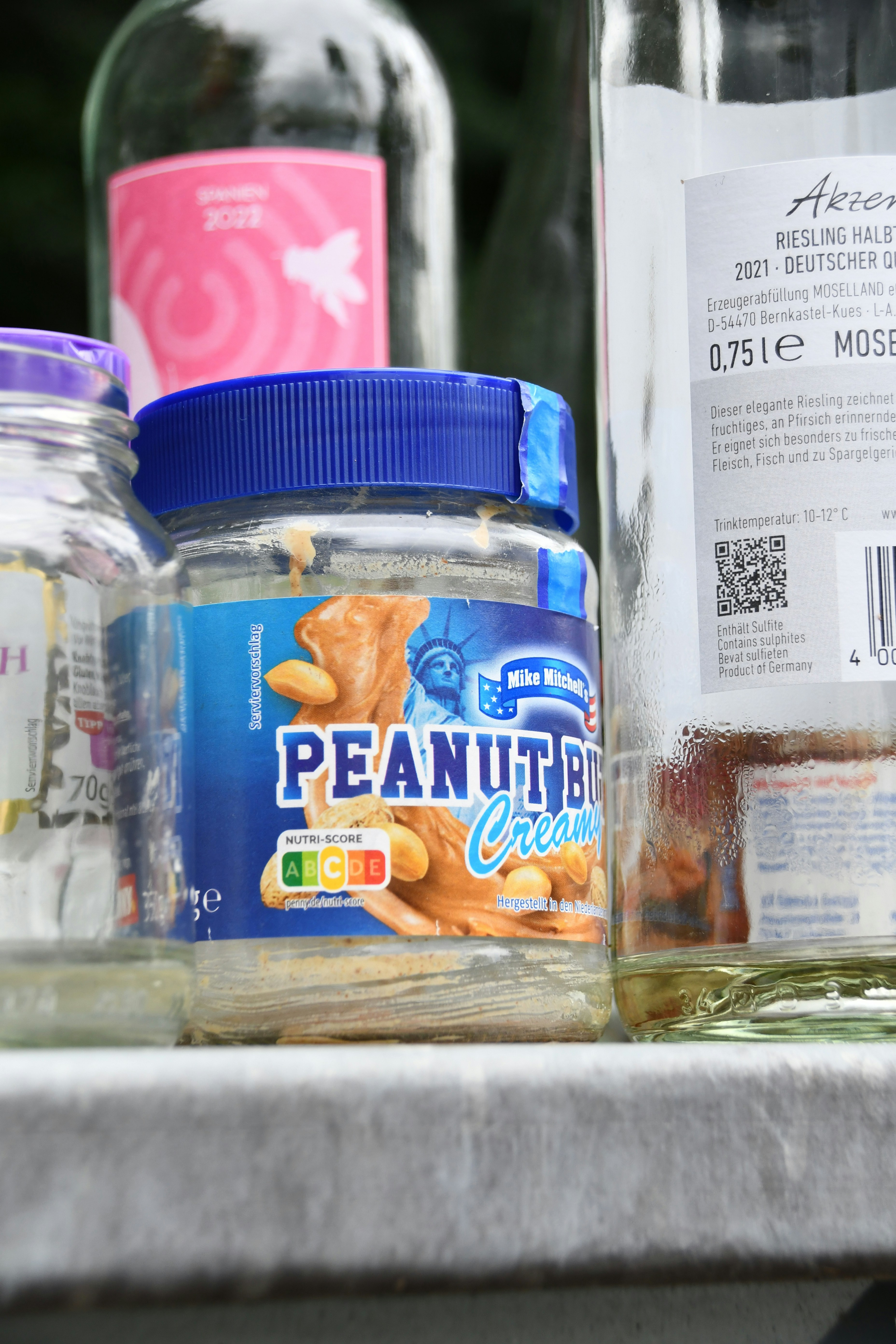

Smart packaging technologies offer myriad sustainability solutions across the supply chain to the benefit of both corporate and consumer interests. Smart packaging encompasses digital technologies such as QR (Quick-Response) codes, RFID ( Radio Frequency Identification), artificial intelligence, and many others that provide informative, accessible, and timely applications that enhance the user experience and substitutes traditionally analog methods of data storage. Active packaging methods from temperature control to bacterial monitoring, can also aid in this goal. These innovations ultimately play a role in reducing waste in a notoriously wasteful industry by aiding in resource management, tracking, food viability, and proper disposal.

With all being said, there are numerous industry challenges when it comes to implementing smart solutions in packaging. The most obvious issue comes with cost. The food and beverage industry is filled with many operational and logistical hurdles. To change existing manufacturing and labelling processes through digital integration requires extensive investments in the digital infrastructure like websites and scanners. In the short-term, it seems like an unnecessarily costly endeavor. “Ensuring seamless integration into existing systems will require close collaboration between packaging manufacturers and other stakeholders in the industry.”(Brinkle, Intelligent packaging: Types, applications, and opportunities 2023). Yet it’s important to remember the long-term benefits previously stated in this article; minimizing waste and improving B2C connectivity.
Another major challenge in improving food and beverage sustainability is predicting consumer habits and willingness to adopt new technologies. It takes time to normalize the use of smart technologies like QR codes with a mass market. This was most evident during the COVID-19 pandemic when contactless communication became a top priority for public safety. Fortunately, we live in a more technologically savvy environment than ever before as most people have access to a smartphone or computer. It has been proven that consumers are willing to adapt if there are broad benefits. “Consumers are willing to pay more for green, but they would also buy additional sustainably packaged products if more of them were available and they were better labeled.” (Feber et al., Sustainability in packaging: Inside the minds of US consumers 2020). Underlying issues can stem from cybersecurity concerns as sensitive personal information may be exposed to threats if companies don’t invest in security measures. This is something the industry must be prepared to tackle; building and maintaining the digital infrastructure, ensuring trust between corporations and consumers.

Throughout this blog, we have expanded on the role that smart packaging plays in promoting sustainability in the food and beverage industry, which has a profound impact on corporate operations and consumer habits. Smart packaging and active packaging changes the way companies produce, label, track, and maintain the quality of their products through digitalizing existing practices. On the consumer side, we have outlined numerous ways smart packaging improves people’s relationship with the industry and the environment; shifting consumer habits to stay informed and make environmentally conscious decisions. Despite the challenges that come with implementing smart packaging into becoming an industry norm, the long-term benefits showcase how worthwhile this investment can be.

- Cavallo, C. (2025, April 14). Smart packaging for food: Importance, technologies, and benefits. Thomasnet® - Product Sourcing and Supplier Discovery Platform - Find North American Manufacturers, Suppliers and Industrial Companies. https://www.thomasnet.com/insights/smart-food-packaging/
- Losada, J. A. P., Ferrando, M., Moncada, V., Operato, L., Gomes, L., Rosenow, P., & Hamd, W. (2025, June 2). Food packaging business models as drivers for sustainability in the food packaging industry. Frontiers. https://www.frontiersin.org/journals/sustainable-food-systems/articles/10.3389/fsufs.2025.1563904/full
- Leigh. (2024, December 16). How smart packaging enhances sustainability and consumer engagement. URL Shortener, QR Codes, Structured Marketing ROI Data. https://www.bl.ink/blog/how-smart-packaging-enhances-sustainability-and-consumer-engagement
- Brinkle, C. (2023, May 11). Intelligent packaging: Types, applications, and opportunities. Thomasnet® - Product Sourcing and Supplier Discovery Platform - Find North American Manufacturers, Suppliers and Industrial Companies. https://www.thomasnet.com/insights/intelligent-packaging/
- Labellink. (2024, March 28). How QR codes are advancing environmental sustainability. https://labellink.org/how-qr-codes-are-advancing-environmental-sustainability/
- Fofana, O. (2025, June 17). Smart and Sustainable Food Packaging Trends. Packaging Gateway.
- Fofana, O. (2025c, April 17). How augmented reality is changing product packaging. Packaging Gateway. https://www.packaging-gateway.com/features/how-augmented-reality-is-changing-product-packaging/
- https://www.packaging-gateway.com/features/smart-and-sustainable-food-packaging-trends/?cf-view
- Ganeson, K., Mouriya, G., Bhubalan, K., Razifah, M., Jasmine, R., Sowmiya, S., Abdullah, A. A. A., Vigneswari, S., & Ramakrishna, S. (2023, February 7). Smart packaging − a pragmatic solution to approach sustainable food waste management - sciencedirect. https://www.sciencedirect.com/science/article/abs/pii/S2214289423000212
- Glaspie, A. (2024, October 3). The Ultimate Guide to using QR codes to minimize packaging waste. Bitly. https://bitly.com/blog/reduce-packaging-waste-using-qr-codes/
- Feber, D., Granskog, A., Lingqvist, O., & Nordigården, D. (2020, October 21). Sustainability in packaging: Inside the minds of US consumers. McKinsey & Company. https://www.mckinsey.com/industries/packaging-and-paper/our-insights/sustainability-in-packaging-inside-the-minds-of-us-consumers
- Johnston, L. (2022, June 13). QR codes show promise in reducing food waste. Consumer Goods Technology. https://consumergoods.com/qr-codes-show-promise-reducing-food-waste
- Blair, N. (2024, December 31). Food Waste Statistics in Canada. Made in CA. https://madeinca.ca/food-waste-canada-statistics/
- Mitchell, M. (2024, November 11). Waste management in the food and beverage industry. Farrelly Mitchell. https://farrellymitchell.com/food-waste-consultants/waste-management-food-beverage-industry/
https://wedocs.unep.org/handle/20.500.11822/45230 (UN Environment Programme)

It’s a common practice to throw away food that remains past its “best-before” date, with the assumption that the product has begun to spoil. Yet how much do consumers act in haste when unknowingly disposing perfectly edible food? Data taken from a 2024 UN Environment Programme Food Waste Index Report outlines food waste generated in various demographic categories. This report finds that 1.05 billion tonnes of food in the retail, service, and household sectors were wasted in 2022. Food waste is a hugely important global issue. The report then cites findings from the World Bank, stating an estimated value over 1 trillion USD of food is wasted annually. This represents one-third of all food produced.
Knowing what food goes in a garbage or compost bin can greatly reduce landfill and greenhouse gas emissions. Smart technology solutions play a major role in affecting consumer habits. With real-time tracking, food and beverage companies can prevent potential contaminations, maintain quality control, and mitigate recalls. It was previously noted that smart technologies like the aforementioned QR code displays relevant information like expiration and storage requirements, whilst enabling real-time updates to display correct information. QR codes can also be utilized to inform consumers on proper disposal methods. For example, dedicated apps that link with branded food/beverage brands can display how food waste and packaging should be sorted into the correct disposal bin. Other technologies previously mentioned include RFID and NFC that have similar applicational benefits. Expanding on this, AR (Augmented Reality) serves as a solution to mitigate food waste by providing more intuitive customer experiences. For example, smart refrigerators with AR/smart capabilities can aid in decision making, ultimately avoiding unnecessary purchases tracking the freshness of certain products.
When looking out our world today, we are surrounded by an abundance of smart technology systems. This is best exemplified through our most used piece of tech - smartphones. NFC is regularly used to make contactless payments, whilst cameras can scan barcodes and QR codes to display information. Another aspect to consider is the growing acceptance of ‘green’ packaging solutions like more biodegradable substrates. A 2023 article by McKinsey & Company notes that between 60%-70% of consumers would pay more for sustainable packaging across various end-use segments. This environment begs the question: How does smart packaging contribute to consumer level sustainability efforts?
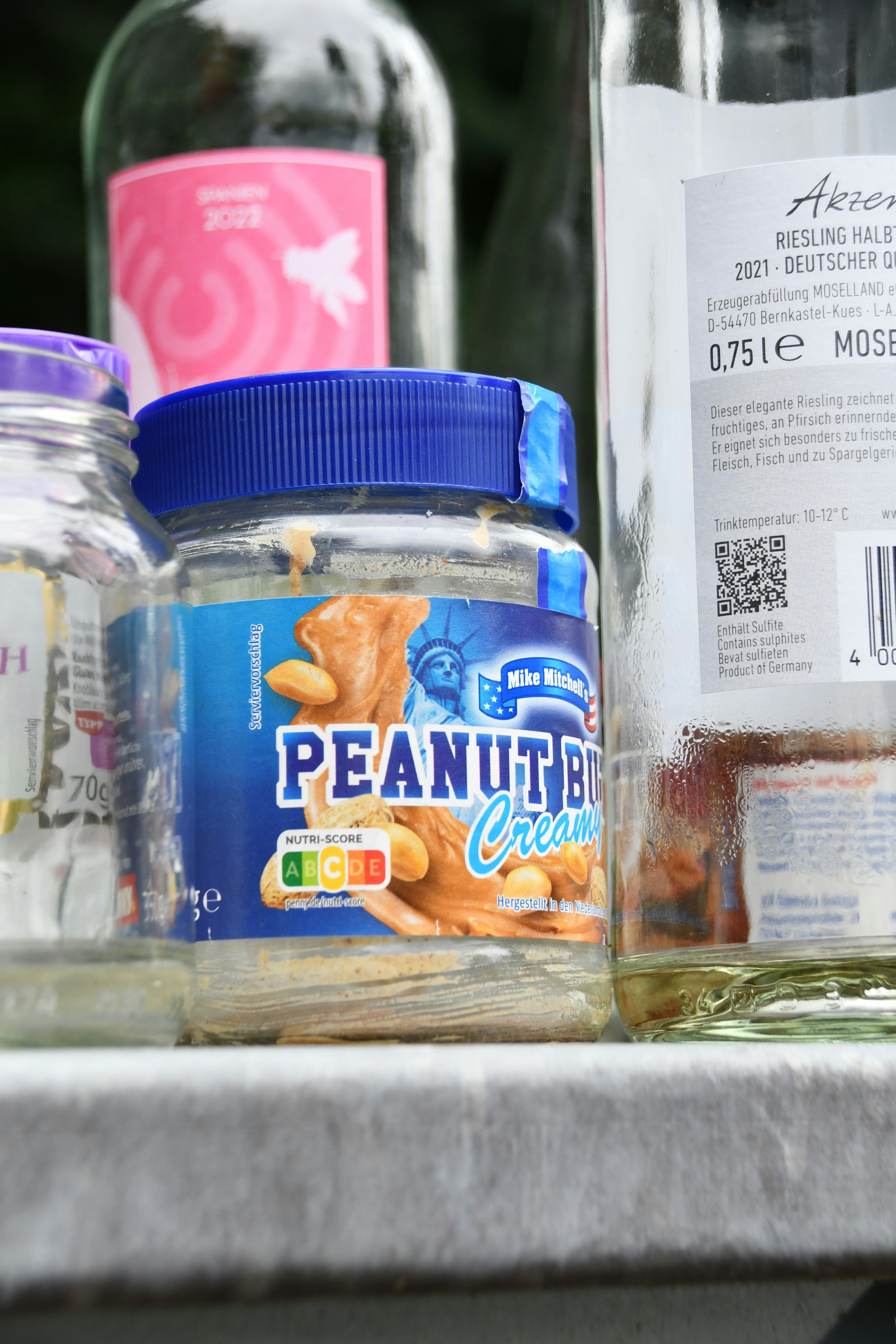




Food packaging manufacturing plays a detrimental role in sustainability efforts, as the scope of its waste production is grossly underestimated. According to a 2024 article by Farrelly Mitchell, “it is estimated that food packaging materials make up almost half of all municipal solid waste in the USA” (Waste management in the food and beverage industry, 2024). In relation to labelling and identification, waste is typically composed of paper and/or plastic adhesive labels, with some information being directly printed onto primary, secondary, and tertiary packaging like cardboard. A common example of this in tertiary packaging is found on meat products where adhesive labels are placed on plastic wrapped trays .These display all relevant information for consumers like weight and nutritional details. Waste can also be exacerbated in cases of incorrect data, like expiration dates, being printed - forcing manufacturers to scrap and redo labels across their supply chain. Furthermore, large scale errors can result in product recalls. These instances are costly to rectify and difficult to track.
Smart packaging aims to reduce the amount of waste produced throughout the production cycle through digital labelling. QR (Quick-Response) codes store crucial data like shipping information, product origin, contents, shelf life, and storage instructions. These two-dimensional codes have today become so standardized as to be easily readable by most modern smartphones and many other devices, making them a widely accessible solution. According to Labellink, “by substituting traditional print materials with a digital QR code, businesses and organizations can drastically cut down on paper waste” (LHow QR codes are advancing environmental sustainability 2024). Replacing printed labels also reduces ink usage since QR codes vary in size based on end-use. For example, a warehouse would require a larger code for the company issued scanner, while retail packaging uses smaller codes for a smartphone camera. Other technologies like NFC (Near-Field Communication) sensors and RFID (Radio Frequency Identification) possess a similar utility. “RFID tags can be attached to products, and their location can be monitored throughout the supply network, providing real-time data on inventory levels and shipment tracking. NFC tags can also provide customers with additional product information, promotions, and discounts” (Brinkle, Intelligent packaging: Types, applications, and opportunities 2023). Aside from reducing the amount of paper and ink being used, these technologies allow for information to be readily updated which addresses the need to communicate with retailers and consumers to mitigate the effects of product recalls.
Looking at the material aspect of food and beverage packaging, there are many solutions to reducing waste. Most popularly, using materials such as plant-based paper and PLA (Polylactic acid) bioplastics decrease the non-biodegradable packages in our everyday lives. These can be implemented with fruits, vegetables, and bottled beverage packaging. Active packaging provides another avenue for sustainability. A 2025 article posted by Thomasnet outlines the use of MAP (Modified Atmosphere Packaging), which is used to extend the shelf life for products like meat and baked goods. “An example is the use of gas flushing techniques to replace oxygen with gases like nitrogen or carbon dioxide.” (Cavallo, Smart packaging for food: Importance, technologies, and benefits 2025). Not only are these methods more environmentally friendly, but they also drive industry innovation. As more companies recognize the benefits of smart and active packaging, the broad industry will be forced to make conscious decisions to address waste across the production cycle.


Isaac Mendoza - Oct. 25, 2025

Back to Blog List

Smart packaging technologies offer myriad sustainability solutions across the supply chain to the benefit of both corporate and consumer interests. Smart packaging encompasses digital technologies such as QR (Quick-Response) codes, RFID ( Radio Frequency Identification), artificial intelligence, and many others that provide informative, accessible, and timely applications that enhance the user experience and substitutes traditionally analog methods of data storage. Active packaging methods from temperature control to bacterial monitoring, can also aid in this goal. These innovations ultimately play a role in reducing waste in a notoriously wasteful industry by aiding in resource management, tracking, food viability, and proper disposal.

With all being said, there are numerous industry challenges when it comes to implementing smart solutions in packaging. The most obvious issue comes with cost. The food and beverage industry is filled with many operational and logistical hurdles. To change existing manufacturing and labelling processes through digital integration requires extensive investments in the digital infrastructure like websites and scanners. In the short-term, it seems like an unnecessarily costly endeavor. “Ensuring seamless integration into existing systems will require close collaboration between packaging manufacturers and other stakeholders in the industry.”(Brinkle, Intelligent packaging: Types, applications, and opportunities 2023). Yet it’s important to remember the long-term benefits previously stated in this article; minimizing waste and improving B2C connectivity.
Another major challenge in improving food and beverage sustainability is predicting consumer habits and willingness to adopt new technologies. It takes time to normalize the use of smart technologies like QR codes with a mass market. This was most evident during the COVID-19 pandemic when contactless communication became a top priority for public safety. Fortunately, we live in a more technologically savvy environment than ever before as most people have access to a smartphone or computer. It has been proven that consumers are willing to adapt if there are broad benefits. “Consumers are willing to pay more for green, but they would also buy additional sustainably packaged products if more of them were available and they were better labeled.” (Feber et al., Sustainability in packaging: Inside the minds of US consumers 2020). Underlying issues can stem from cybersecurity concerns as sensitive personal information may be exposed to threats if companies don’t invest in security measures. This is something the industry must be prepared to tackle; building and maintaining the digital infrastructure, ensuring trust between corporations and consumers.

Throughout this blog, we have expanded on the role that smart packaging plays in promoting sustainability in the food and beverage industry, which has a profound impact on corporate operations and consumer habits. Smart packaging and active packaging changes the way companies produce, label, track, and maintain the quality of their products through digitalizing existing practices. On the consumer side, we have outlined numerous ways smart packaging improves people’s relationship with the industry and the environment; shifting consumer habits to stay informed and make environmentally conscious decisions. Despite the challenges that come with implementing smart packaging into becoming an industry norm, the long-term benefits showcase how worthwhile this investment can be.

- Cavallo, C. (2025, April 14). Smart packaging for food: Importance, technologies, and benefits. Thomasnet® - Product Sourcing and Supplier Discovery Platform - Find North American Manufacturers, Suppliers and Industrial Companies. https://www.thomasnet.com/insights/smart-food-packaging/
- Losada, J. A. P., Ferrando, M., Moncada, V., Operato, L., Gomes, L., Rosenow, P., & Hamd, W. (2025, June 2). Food packaging business models as drivers for sustainability in the food packaging industry. Frontiers. https://www.frontiersin.org/journals/sustainable-food-systems/articles/10.3389/fsufs.2025.1563904/full
- Leigh. (2024, December 16). How smart packaging enhances sustainability and consumer engagement. URL Shortener, QR Codes, Structured Marketing ROI Data. https://www.bl.ink/blog/how-smart-packaging-enhances-sustainability-and-consumer-engagement
- Brinkle, C. (2023, May 11). Intelligent packaging: Types, applications, and opportunities. Thomasnet® - Product Sourcing and Supplier Discovery Platform - Find North American Manufacturers, Suppliers and Industrial Companies. https://www.thomasnet.com/insights/intelligent-packaging/
- Labellink. (2024, March 28). How QR codes are advancing environmental sustainability. https://labellink.org/how-qr-codes-are-advancing-environmental-sustainability/
- Fofana, O. (2025, June 17). Smart and Sustainable Food Packaging Trends. Packaging Gateway.
- Fofana, O. (2025c, April 17). How augmented reality is changing product packaging. Packaging Gateway. https://www.packaging-gateway.com/features/how-augmented-reality-is-changing-product-packaging/
- https://www.packaging-gateway.com/features/smart-and-sustainable-food-packaging-trends/?cf-view
- Ganeson, K., Mouriya, G., Bhubalan, K., Razifah, M., Jasmine, R., Sowmiya, S., Abdullah, A. A. A., Vigneswari, S., & Ramakrishna, S. (2023, February 7). Smart packaging − a pragmatic solution to approach sustainable food waste management - sciencedirect. https://www.sciencedirect.com/science/article/abs/pii/S2214289423000212
- Glaspie, A. (2024, October 3). The Ultimate Guide to using QR codes to minimize packaging waste. Bitly. https://bitly.com/blog/reduce-packaging-waste-using-qr-codes/
- Feber, D., Granskog, A., Lingqvist, O., & Nordigården, D. (2020, October 21). Sustainability in packaging: Inside the minds of US consumers. McKinsey & Company. https://www.mckinsey.com/industries/packaging-and-paper/our-insights/sustainability-in-packaging-inside-the-minds-of-us-consumers
- Johnston, L. (2022, June 13). QR codes show promise in reducing food waste. Consumer Goods Technology. https://consumergoods.com/qr-codes-show-promise-reducing-food-waste
- Blair, N. (2024, December 31). Food Waste Statistics in Canada. Made in CA. https://madeinca.ca/food-waste-canada-statistics/
- Mitchell, M. (2024, November 11). Waste management in the food and beverage industry. Farrelly Mitchell. https://farrellymitchell.com/food-waste-consultants/waste-management-food-beverage-industry/
https://wedocs.unep.org/handle/20.500.11822/45230 (UN Environment Programme)

It’s a common practice to throw away food that remains past its “best-before” date, with the assumption that the product has begun to spoil. Yet how much do consumers act in haste when unknowingly disposing perfectly edible food? Data taken from a 2024 UN Environment Programme Food Waste Index Report outlines food waste generated in various demographic categories. This report finds that 1.05 billion tonnes of food in the retail, service, and household sectors were wasted in 2022. Food waste is a hugely important global issue. The report then cites findings from the World Bank, stating an estimated value over 1 trillion USD of food is wasted annually. This represents one-third of all food produced.
Knowing what food goes in a garbage or compost bin can greatly reduce landfill and greenhouse gas emissions. Smart technology solutions play a major role in affecting consumer habits. With real-time tracking, food and beverage companies can prevent potential contaminations, maintain quality control, and mitigate recalls. It was previously noted that smart technologies like the aforementioned QR code displays relevant information like expiration and storage requirements, whilst enabling real-time updates to display correct information. QR codes can also be utilized to inform consumers on proper disposal methods. For example, dedicated apps that link with branded food/beverage brands can display how food waste and packaging should be sorted into the correct disposal bin. Other technologies previously mentioned include RFID and NFC that have similar applicational benefits. Expanding on this, AR (Augmented Reality) serves as a solution to mitigate food waste by providing more intuitive customer experiences. For example, smart refrigerators with AR/smart capabilities can aid in decision making, ultimately avoiding unnecessary purchases tracking the freshness of certain products.
When looking out our world today, we are surrounded by an abundance of smart technology systems. This is best exemplified through our most used piece of tech - smartphones. NFC is regularly used to make contactless payments, whilst cameras can scan barcodes and QR codes to display information. Another aspect to consider is the growing acceptance of ‘green’ packaging solutions like more biodegradable substrates. A 2023 article by McKinsey & Company notes that between 60%-70% of consumers would pay more for sustainable packaging across various end-use segments. This environment begs the question: How does smart packaging contribute to consumer level sustainability efforts?



Connective.thecompany@gmail.com
125 Bond St, Toronto, ON M5B 1Y2


Food packaging manufacturing plays a detrimental role in sustainability efforts, as the scope of its waste production is grossly underestimated. According to a 2024 article by Farrelly Mitchell, “it is estimated that food packaging materials make up almost half of all municipal solid waste in the USA” (Waste management in the food and beverage industry, 2024). In relation to labelling and identification, waste is typically composed of paper and/or plastic adhesive labels, with some information being directly printed onto primary, secondary, and tertiary packaging like cardboard. A common example of this in tertiary packaging is found on meat products where adhesive labels are placed on plastic wrapped trays .These display all relevant information for consumers like weight and nutritional details. Waste can also be exacerbated in cases of incorrect data, like expiration dates, being printed - forcing manufacturers to scrap and redo labels across their supply chain. Furthermore, large scale errors can result in product recalls. These instances are costly to rectify and difficult to track.
Smart packaging aims to reduce the amount of waste produced throughout the production cycle through digital labelling. QR (Quick-Response) codes store crucial data like shipping information, product origin, contents, shelf life, and storage instructions. These two-dimensional codes have today become so standardized as to be easily readable by most modern smartphones and many other devices, making them a widely accessible solution. According to Labellink, “by substituting traditional print materials with a digital QR code, businesses and organizations can drastically cut down on paper waste” (LHow QR codes are advancing environmental sustainability 2024). Replacing printed labels also reduces ink usage since QR codes vary in size based on end-use. For example, a warehouse would require a larger code for the company issued scanner, while retail packaging uses smaller codes for a smartphone camera. Other technologies like NFC (Near-Field Communication) sensors and RFID (Radio Frequency Identification) possess a similar utility. “RFID tags can be attached to products, and their location can be monitored throughout the supply network, providing real-time data on inventory levels and shipment tracking. NFC tags can also provide customers with additional product information, promotions, and discounts” (Brinkle, Intelligent packaging: Types, applications, and opportunities 2023). Aside from reducing the amount of paper and ink being used, these technologies allow for information to be readily updated which addresses the need to communicate with retailers and consumers to mitigate the effects of product recalls.
Looking at the material aspect of food and beverage packaging, there are many solutions to reducing waste. Most popularly, using materials such as plant-based paper and PLA (Polylactic acid) bioplastics decrease the non-biodegradable packages in our everyday lives. These can be implemented with fruits, vegetables, and bottled beverage packaging. Active packaging provides another avenue for sustainability. A 2025 article posted by Thomasnet outlines the use of MAP (Modified Atmosphere Packaging), which is used to extend the shelf life for products like meat and baked goods. “An example is the use of gas flushing techniques to replace oxygen with gases like nitrogen or carbon dioxide.” (Cavallo, Smart packaging for food: Importance, technologies, and benefits 2025). Not only are these methods more environmentally friendly, but they also drive industry innovation. As more companies recognize the benefits of smart and active packaging, the broad industry will be forced to make conscious decisions to address waste across the production cycle.



Isaac Mendoza - Oct. 25, 2025

Back to Blog List

Smart packaging technologies offer myriad sustainability solutions across the supply chain to the benefit of both corporate and consumer interests. Smart packaging encompasses digital technologies such as QR (Quick-Response) codes, RFID ( Radio Frequency Identification), artificial intelligence, and many others that provide informative, accessible, and timely applications that enhance the user experience and substitutes traditionally analog methods of data storage. Active packaging methods from temperature control to bacterial monitoring, can also aid in this goal. These innovations ultimately play a role in reducing waste in a notoriously wasteful industry by aiding in resource management, tracking, food viability, and proper disposal.
With all being said, there are numerous industry challenges when it comes to implementing smart solutions in packaging. The most obvious issue comes with cost. The food and beverage industry is filled with many operational and logistical hurdles. To change existing manufacturing and labelling processes through digital integration requires extensive investments in the digital infrastructure like websites and scanners. In the short-term, it seems like an unnecessarily costly endeavor. “Ensuring seamless integration into existing systems will require close collaboration between packaging manufacturers and other stakeholders in the industry.”(Brinkle, Intelligent packaging: Types, applications, and opportunities 2023). Yet it’s important to remember the long-term benefits previously stated in this article; minimizing waste and improving B2C connectivity.
Another major challenge in improving food and beverage sustainability is predicting consumer habits and willingness to adopt new technologies. It takes time to normalize the use of smart technologies like QR codes with a mass market. This was most evident during the COVID-19 pandemic when contactless communication became a top priority for public safety. Fortunately, we live in a more technologically savvy environment than ever before as most people have access to a smartphone or computer. It has been proven that consumers are willing to adapt if there are broad benefits. “Consumers are willing to pay more for green, but they would also buy additional sustainably packaged products if more of them were available and they were better labeled.” (Feber et al., Sustainability in packaging: Inside the minds of US consumers 2020). Underlying issues can stem from cybersecurity concerns as sensitive personal information may be exposed to threats if companies don’t invest in security measures. This is something the industry must be prepared to tackle; building and maintaining the digital infrastructure, ensuring trust between corporations and consumers.
Throughout this blog, we have expanded on the role that smart packaging plays in promoting sustainability in the food and beverage industry, which has a profound impact on corporate operations and consumer habits. Smart packaging and active packaging changes the way companies produce, label, track, and maintain the quality of their products through digitalizing existing practices. On the consumer side, we have outlined numerous ways smart packaging improves people’s relationship with the industry and the environment; shifting consumer habits to stay informed and make environmentally conscious decisions. Despite the challenges that come with implementing smart packaging into becoming an industry norm, the long-term benefits showcase how worthwhile this investment can be.
- Cavallo, C. (2025, April 14). Smart packaging for food: Importance, technologies, and benefits. Thomasnet® - Product Sourcing and Supplier Discovery Platform - Find North American Manufacturers, Suppliers and Industrial Companies. https://www.thomasnet.com/insights/smart-food-packaging/
- Losada, J. A. P., Ferrando, M., Moncada, V., Operato, L., Gomes, L., Rosenow, P., & Hamd, W. (2025, June 2). Food packaging business models as drivers for sustainability in the food packaging industry. Frontiers. https://www.frontiersin.org/journals/sustainable-food-systems/articles/10.3389/fsufs.2025.1563904/full
- Leigh. (2024, December 16). How smart packaging enhances sustainability and consumer engagement. URL Shortener, QR Codes, Structured Marketing ROI Data. https://www.bl.ink/blog/how-smart-packaging-enhances-sustainability-and-consumer-engagement
- Brinkle, C. (2023, May 11). Intelligent packaging: Types, applications, and opportunities. Thomasnet® - Product Sourcing and Supplier Discovery Platform - Find North American Manufacturers, Suppliers and Industrial Companies. https://www.thomasnet.com/insights/intelligent-packaging/
- Labellink. (2024, March 28). How QR codes are advancing environmental sustainability. https://labellink.org/how-qr-codes-are-advancing-environmental-sustainability/
- Fofana, O. (2025, June 17). Smart and Sustainable Food Packaging Trends. Packaging Gateway.
- Fofana, O. (2025c, April 17). How augmented reality is changing product packaging. Packaging Gateway. https://www.packaging-gateway.com/features/how-augmented-reality-is-changing-product-packaging/
- https://www.packaging-gateway.com/features/smart-and-sustainable-food-packaging-trends/?cf-view
- Ganeson, K., Mouriya, G., Bhubalan, K., Razifah, M., Jasmine, R., Sowmiya, S., Abdullah, A. A. A., Vigneswari, S., & Ramakrishna, S. (2023, February 7). Smart packaging − a pragmatic solution to approach sustainable food waste management - sciencedirect. https://www.sciencedirect.com/science/article/abs/pii/S2214289423000212
- Glaspie, A. (2024, October 3). The Ultimate Guide to using QR codes to minimize packaging waste. Bitly. https://bitly.com/blog/reduce-packaging-waste-using-qr-codes/
- Feber, D., Granskog, A., Lingqvist, O., & Nordigården, D. (2020, October 21). Sustainability in packaging: Inside the minds of US consumers. McKinsey & Company. https://www.mckinsey.com/industries/packaging-and-paper/our-insights/sustainability-in-packaging-inside-the-minds-of-us-consumers
- Johnston, L. (2022, June 13). QR codes show promise in reducing food waste. Consumer Goods Technology. https://consumergoods.com/qr-codes-show-promise-reducing-food-waste
- Blair, N. (2024, December 31). Food Waste Statistics in Canada. Made in CA. https://madeinca.ca/food-waste-canada-statistics/
- Mitchell, M. (2024, November 11). Waste management in the food and beverage industry. Farrelly Mitchell. https://farrellymitchell.com/food-waste-consultants/waste-management-food-beverage-industry/
https://wedocs.unep.org/handle/20.500.11822/45230 (UN Environment Programme)
It’s a common practice to throw away food that remains past its “best-before” date, with the assumption that the product has begun to spoil. Yet how much do consumers act in haste when unknowingly disposing perfectly edible food? Data taken from a 2024 UN Environment Programme Food Waste Index Report outlines food waste generated in various demographic categories. This report finds that 1.05 billion tonnes of food in the retail, service, and household sectors were wasted in 2022. Food waste is a hugely important global issue. The report then cites findings from the World Bank, stating an estimated value over 1 trillion USD of food is wasted annually. This represents one-third of all food produced.
Knowing what food goes in a garbage or compost bin can greatly reduce landfill and greenhouse gas emissions. Smart technology solutions play a major role in affecting consumer habits. With real-time tracking, food and beverage companies can prevent potential contaminations, maintain quality control, and mitigate recalls. It was previously noted that smart technologies like the aforementioned QR code displays relevant information like expiration and storage requirements, whilst enabling real-time updates to display correct information. QR codes can also be utilized to inform consumers on proper disposal methods. For example, dedicated apps that link with branded food/beverage brands can display how food waste and packaging should be sorted into the correct disposal bin. Other technologies previously mentioned include RFID and NFC that have similar applicational benefits. Expanding on this, AR (Augmented Reality) serves as a solution to mitigate food waste by providing more intuitive customer experiences. For example, smart refrigerators with AR/smart capabilities can aid in decision making, ultimately avoiding unnecessary purchases tracking the freshness of certain products.
When looking out our world today, we are surrounded by an abundance of smart technology systems. This is best exemplified through our most used piece of tech - smartphones. NFC is regularly used to make contactless payments, whilst cameras can scan barcodes and QR codes to display information. Another aspect to consider is the growing acceptance of ‘green’ packaging solutions like more biodegradable substrates. A 2023 article by McKinsey & Company notes that between 60%-70% of consumers would pay more for sustainable packaging across various end-use segments. This environment begs the question: How does smart packaging contribute to consumer level sustainability efforts?





Connective.thecompany@gmail.com
125 Bond St, Toronto, ON M5B 1Y2


Food packaging manufacturing plays a detrimental role in sustainability efforts, as the scope of its waste production is grossly underestimated. According to a 2024 article by Farrelly Mitchell, “it is estimated that food packaging materials make up almost half of all municipal solid waste in the USA” (Waste management in the food and beverage industry, 2024). In relation to labelling and identification, waste is typically composed of paper and/or plastic adhesive labels, with some information being directly printed onto primary, secondary, and tertiary packaging like cardboard. A common example of this in tertiary packaging is found on meat products where adhesive labels are placed on plastic wrapped trays .These display all relevant information for consumers like weight and nutritional details. Waste can also be exacerbated in cases of incorrect data, like expiration dates, being printed - forcing manufacturers to scrap and redo labels across their supply chain. Furthermore, large scale errors can result in product recalls. These instances are costly to rectify and difficult to track.
Smart packaging aims to reduce the amount of waste produced throughout the production cycle through digital labelling. QR (Quick-Response) codes store crucial data like shipping information, product origin, contents, shelf life, and storage instructions. These two-dimensional codes have today become so standardized as to be easily readable by most modern smartphones and many other devices, making them a widely accessible solution. According to Labellink, “by substituting traditional print materials with a digital QR code, businesses and organizations can drastically cut down on paper waste” (LHow QR codes are advancing environmental sustainability 2024). Replacing printed labels also reduces ink usage since QR codes vary in size based on end-use. For example, a warehouse would require a larger code for the company issued scanner, while retail packaging uses smaller codes for a smartphone camera. Other technologies like NFC (Near-Field Communication) sensors and RFID (Radio Frequency Identification) possess a similar utility. “RFID tags can be attached to products, and their location can be monitored throughout the supply network, providing real-time data on inventory levels and shipment tracking. NFC tags can also provide customers with additional product information, promotions, and discounts” (Brinkle, Intelligent packaging: Types, applications, and opportunities 2023). Aside from reducing the amount of paper and ink being used, these technologies allow for information to be readily updated which addresses the need to communicate with retailers and consumers to mitigate the effects of product recalls.
Looking at the material aspect of food and beverage packaging, there are many solutions to reducing waste. Most popularly, using materials such as plant-based paper and PLA (Polylactic acid) bioplastics decrease the non-biodegradable packages in our everyday lives. These can be implemented with fruits, vegetables, and bottled beverage packaging. Active packaging provides another avenue for sustainability. A 2025 article posted by Thomasnet outlines the use of MAP (Modified Atmosphere Packaging), which is used to extend the shelf life for products like meat and baked goods. “An example is the use of gas flushing techniques to replace oxygen with gases like nitrogen or carbon dioxide.” (Cavallo, Smart packaging for food: Importance, technologies, and benefits 2025). Not only are these methods more environmentally friendly, but they also drive industry innovation. As more companies recognize the benefits of smart and active packaging, the broad industry will be forced to make conscious decisions to address waste across the production cycle.






Isaac Mendoza - Oct. 25, 2025
Back to Blog List
Smart packaging technologies offer myriad sustainability solutions across the supply chain to the benefit of both corporate and consumer interests. Smart packaging encompasses digital technologies such as QR (Quick-Response) codes, RFID ( Radio Frequency Identification), artificial intelligence, and many others that provide informative, accessible, and timely applications that enhance the user experience and substitutes traditionally analog methods of data storage. Active packaging methods from temperature control to bacterial monitoring, can also aid in this goal. These innovations ultimately play a role in reducing waste in a notoriously wasteful industry by aiding in resource management, tracking, food viability, and proper disposal.
With all being said, there are numerous industry challenges when it comes to implementing smart solutions in packaging. The most obvious issue comes with cost. The food and beverage industry is filled with many operational and logistical hurdles. To change existing manufacturing and labelling processes through digital integration requires extensive investments in the digital infrastructure like websites and scanners. In the short-term, it seems like an unnecessarily costly endeavor. “Ensuring seamless integration into existing systems will require close collaboration between packaging manufacturers and other stakeholders in the industry.”(Brinkle, Intelligent packaging: Types, applications, and opportunities 2023). Yet it’s important to remember the long-term benefits previously stated in this article; minimizing waste and improving B2C connectivity.
Another major challenge in improving food and beverage sustainability is predicting consumer habits and willingness to adopt new technologies. It takes time to normalize the use of smart technologies like QR codes with a mass market. This was most evident during the COVID-19 pandemic when contactless communication became a top priority for public safety. Fortunately, we live in a more technologically savvy environment than ever before as most people have access to a smartphone or computer. It has been proven that consumers are willing to adapt if there are broad benefits. “Consumers are willing to pay more for green, but they would also buy additional sustainably packaged products if more of them were available and they were better labeled.” (Feber et al., Sustainability in packaging: Inside the minds of US consumers 2020). Underlying issues can stem from cybersecurity concerns as sensitive personal information may be exposed to threats if companies don’t invest in security measures. This is something the industry must be prepared to tackle; building and maintaining the digital infrastructure, ensuring trust between corporations and consumers.
Throughout this blog, we have expanded on the role that smart packaging plays in promoting sustainability in the food and beverage industry, which has a profound impact on corporate operations and consumer habits. Smart packaging and active packaging changes the way companies produce, label, track, and maintain the quality of their products through digitalizing existing practices. On the consumer side, we have outlined numerous ways smart packaging improves people’s relationship with the industry and the environment; shifting consumer habits to stay informed and make environmentally conscious decisions. Despite the challenges that come with implementing smart packaging into becoming an industry norm, the long-term benefits showcase how worthwhile this investment can be.
- Cavallo, C. (2025, April 14). Smart packaging for food: Importance, technologies, and benefits. Thomasnet® - Product Sourcing and Supplier Discovery Platform - Find North American Manufacturers, Suppliers and Industrial Companies. https://www.thomasnet.com/insights/smart-food-packaging/
- Losada, J. A. P., Ferrando, M., Moncada, V., Operato, L., Gomes, L., Rosenow, P., & Hamd, W. (2025, June 2). Food packaging business models as drivers for sustainability in the food packaging industry. Frontiers. https://www.frontiersin.org/journals/sustainable-food-systems/articles/10.3389/fsufs.2025.1563904/full
- Leigh. (2024, December 16). How smart packaging enhances sustainability and consumer engagement. URL Shortener, QR Codes, Structured Marketing ROI Data. https://www.bl.ink/blog/how-smart-packaging-enhances-sustainability-and-consumer-engagement
- Brinkle, C. (2023, May 11). Intelligent packaging: Types, applications, and opportunities. Thomasnet® - Product Sourcing and Supplier Discovery Platform - Find North American Manufacturers, Suppliers and Industrial Companies. https://www.thomasnet.com/insights/intelligent-packaging/
- Labellink. (2024, March 28). How QR codes are advancing environmental sustainability. https://labellink.org/how-qr-codes-are-advancing-environmental-sustainability/
- Fofana, O. (2025, June 17). Smart and Sustainable Food Packaging Trends. Packaging Gateway.
- Fofana, O. (2025c, April 17). How augmented reality is changing product packaging. Packaging Gateway. https://www.packaging-gateway.com/features/how-augmented-reality-is-changing-product-packaging/
- https://www.packaging-gateway.com/features/smart-and-sustainable-food-packaging-trends/?cf-view
- Ganeson, K., Mouriya, G., Bhubalan, K., Razifah, M., Jasmine, R., Sowmiya, S., Abdullah, A. A. A., Vigneswari, S., & Ramakrishna, S. (2023, February 7). Smart packaging − a pragmatic solution to approach sustainable food waste management - sciencedirect. https://www.sciencedirect.com/science/article/abs/pii/S2214289423000212
- Glaspie, A. (2024, October 3). The Ultimate Guide to using QR codes to minimize packaging waste. Bitly. https://bitly.com/blog/reduce-packaging-waste-using-qr-codes/
- Feber, D., Granskog, A., Lingqvist, O., & Nordigården, D. (2020, October 21). Sustainability in packaging: Inside the minds of US consumers. McKinsey & Company. https://www.mckinsey.com/industries/packaging-and-paper/our-insights/sustainability-in-packaging-inside-the-minds-of-us-consumers
- Johnston, L. (2022, June 13). QR codes show promise in reducing food waste. Consumer Goods Technology. https://consumergoods.com/qr-codes-show-promise-reducing-food-waste
- Blair, N. (2024, December 31). Food Waste Statistics in Canada. Made in CA. https://madeinca.ca/food-waste-canada-statistics/
- Mitchell, M. (2024, November 11). Waste management in the food and beverage industry. Farrelly Mitchell. https://farrellymitchell.com/food-waste-consultants/waste-management-food-beverage-industry/
https://wedocs.unep.org/handle/20.500.11822/45230 (UN Environment Programme)
It’s a common practice to throw away food that remains past its “best-before” date, with the assumption that the product has begun to spoil. Yet how much do consumers act in haste when unknowingly disposing perfectly edible food? Data taken from a 2024 UN Environment Programme Food Waste Index Report outlines food waste generated in various demographic categories. This report finds that 1.05 billion tonnes of food in the retail, service, and household sectors were wasted in 2022. Food waste is a hugely important global issue. The report then cites findings from the World Bank, stating an estimated value over 1 trillion USD of food is wasted annually. This represents one-third of all food produced.
Knowing what food goes in a garbage or compost bin can greatly reduce landfill and greenhouse gas emissions. Smart technology solutions play a major role in affecting consumer habits. With real-time tracking, food and beverage companies can prevent potential contaminations, maintain quality control, and mitigate recalls. It was previously noted that smart technologies like the aforementioned QR code displays relevant information like expiration and storage requirements, whilst enabling real-time updates to display correct information. QR codes can also be utilized to inform consumers on proper disposal methods. For example, dedicated apps that link with branded food/beverage brands can display how food waste and packaging should be sorted into the correct disposal bin. Other technologies previously mentioned include RFID and NFC that have similar applicational benefits. Expanding on this, AR (Augmented Reality) serves as a solution to mitigate food waste by providing more intuitive customer experiences. For example, smart refrigerators with AR/smart capabilities can aid in decision making, ultimately avoiding unnecessary purchases tracking the freshness of certain products.
When looking out our world today, we are surrounded by an abundance of smart technology systems. This is best exemplified through our most used piece of tech - smartphones. NFC is regularly used to make contactless payments, whilst cameras can scan barcodes and QR codes to display information. Another aspect to consider is the growing acceptance of ‘green’ packaging solutions like more biodegradable substrates. A 2023 article by McKinsey & Company notes that between 60%-70% of consumers would pay more for sustainable packaging across various end-use segments. This environment begs the question: How does smart packaging contribute to consumer level sustainability efforts?
Food packaging manufacturing plays a detrimental role in sustainability efforts, as the scope of its waste production is grossly underestimated. According to a 2024 article by Farrelly Mitchell, “it is estimated that food packaging materials make up almost half of all municipal solid waste in the USA” (Waste management in the food and beverage industry, 2024). In relation to labelling and identification, waste is typically composed of paper and/or plastic adhesive labels, with some information being directly printed onto primary, secondary, and tertiary packaging like cardboard. A common example of this in tertiary packaging is found on meat products where adhesive labels are placed on plastic wrapped trays .These display all relevant information for consumers like weight and nutritional details. Waste can also be exacerbated in cases of incorrect data, like expiration dates, being printed - forcing manufacturers to scrap and redo labels across their supply chain. Furthermore, large scale errors can result in product recalls. These instances are costly to rectify and difficult to track.
Smart packaging aims to reduce the amount of waste produced throughout the production cycle through digital labelling. QR (Quick-Response) codes store crucial data like shipping information, product origin, contents, shelf life, and storage instructions. These two-dimensional codes have today become so standardized as to be easily readable by most modern smartphones and many other devices, making them a widely accessible solution. According to Labellink, “by substituting traditional print materials with a digital QR code, businesses and organizations can drastically cut down on paper waste” (LHow QR codes are advancing environmental sustainability 2024). Replacing printed labels also reduces ink usage since QR codes vary in size based on end-use. For example, a warehouse would require a larger code for the company issued scanner, while retail packaging uses smaller codes for a smartphone camera. Other technologies like NFC (Near-Field Communication) sensors and RFID (Radio Frequency Identification) possess a similar utility. “RFID tags can be attached to products, and their location can be monitored throughout the supply network, providing real-time data on inventory levels and shipment tracking. NFC tags can also provide customers with additional product information, promotions, and discounts” (Brinkle, Intelligent packaging: Types, applications, and opportunities 2023). Aside from reducing the amount of paper and ink being used, these technologies allow for information to be readily updated which addresses the need to communicate with retailers and consumers to mitigate the effects of product recalls.
Looking at the material aspect of food and beverage packaging, there are many solutions to reducing waste. Most popularly, using materials such as plant-based paper and PLA (Polylactic acid) bioplastics decrease the non-biodegradable packages in our everyday lives. These can be implemented with fruits, vegetables, and bottled beverage packaging. Active packaging provides another avenue for sustainability. A 2025 article posted by Thomasnet outlines the use of MAP (Modified Atmosphere Packaging), which is used to extend the shelf life for products like meat and baked goods. “An example is the use of gas flushing techniques to replace oxygen with gases like nitrogen or carbon dioxide.” (Cavallo, Smart packaging for food: Importance, technologies, and benefits 2025). Not only are these methods more environmentally friendly, but they also drive industry innovation. As more companies recognize the benefits of smart and active packaging, the broad industry will be forced to make conscious decisions to address waste across the production cycle.




Connective.thecompany@gmail.com
125 Bond St, Toronto, ON M5B 1Y2

